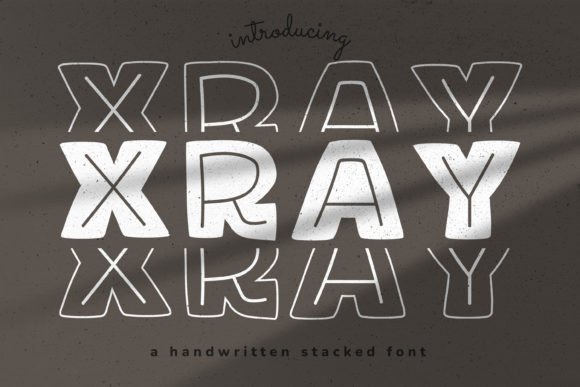
X-ray: A Sharp Display Font for Business Branding
Refreshing a Café Menu with X-ray Typeface
As a creative consultant working with small businesses, I recently helped a local café update their menu design. They wanted something modern yet approachable—something that would reflect their cozy ambiance while still feeling polished. That’s when I introduced them to X-ray, a display font that immediately caught their attention. It had just the right balance of personality and professionalism, making it a perfect fit for their brand.
X-ray is a sleek, contemporary typeface that blends clean lines with subtle character. It’s designed as a display font, meaning it shines brightest when used for headlines, logos, and short-form text. What stood out most during our menu test was how legible it remained even at smaller sizes—especially important for printed menus that customers might read under dim lighting or on their phones.
Why Typography Matters for Small Business Branding
Typography often gets overlooked in small business branding, but it plays a huge role in shaping customer perception. A well-chosen font can make your brand feel more trustworthy, consistent, and visually cohesive. X-ray helped our café client achieve that polished look without sacrificing warmth. Whether used on printed menus, digital banners, or social media posts, the font gave their materials a unified identity that customers could recognize instantly.
Fonts like X-ray are especially effective when you want to elevate your brand without leaning too heavily on overly formal or generic styles. Its modern structure makes it feel current, while its slight quirks add a touch of individuality—perfect for businesses that want to stand out without looking too flashy.
Real-World Uses for X-ray in Branding Materials
We used X-ray across several customer-facing materials beyond the menu. It worked beautifully on their thank-you cards, giving a refined finish to handwritten notes. We also integrated it into their Instagram templates, where it helped create a more cohesive visual style across their feed. For their website, we applied it to hero banners and promotional graphics, where its clarity and impact made calls to action more noticeable.
One of the standout features of X-ray was how versatile it was across mediums. We tested it on printed packaging, digital signage, and even embroidered aprons. In each case, it maintained its sharpness and readability. It’s especially well-suited for packaging design, product labels, and business cards—where a strong visual identity is key to making a memorable first impression.
How to Pair X-ray with Other Fonts
Like most display fonts, X-ray works best when paired with a more neutral supporting typeface. We chose a clean sans serif for body text and descriptions, which created a nice visual contrast without competing with the main headlines. For a boutique client, we paired it with a soft script font to add a touch of elegance to product tags and packaging labels.
When pairing fonts, the goal is always to create hierarchy and balance. X-ray does a great job of drawing attention as a headline or logo font, while letting simpler fonts carry the message in longer text. This makes it a smart choice for businesses looking to build a consistent yet dynamic brand identity across multiple platforms.
Things to Consider Before Using X-ray
Before finalizing any font for business use, it’s important to check licensing, file formats, and typographic features. X-ray comes with multiple weights and supports a wide range of languages, which made it suitable for our client’s multilingual menu options. It also includes alternate characters and ligatures, which added a nice decorative touch to special edition packaging and seasonal promotions.
When using display fonts like X-ray for small labels or mobile screens, always test readability at different sizes. While it performed well in our tests, it’s best reserved for short text rather than long paragraphs. For digital use, ensure that the font renders clearly across devices, especially if it’s being used in banners, thumbnails, or online shop graphics.